Prior to this each town observed its own time zone according to its solar noon. Railroads were the first means of transportation where keeping themselves in sync with each other and the local time was hard because trains traveled so quickly compared to previous forms of transport.
This was not always a successfully sustained state in early days. Or even today, though with far lower frequency.
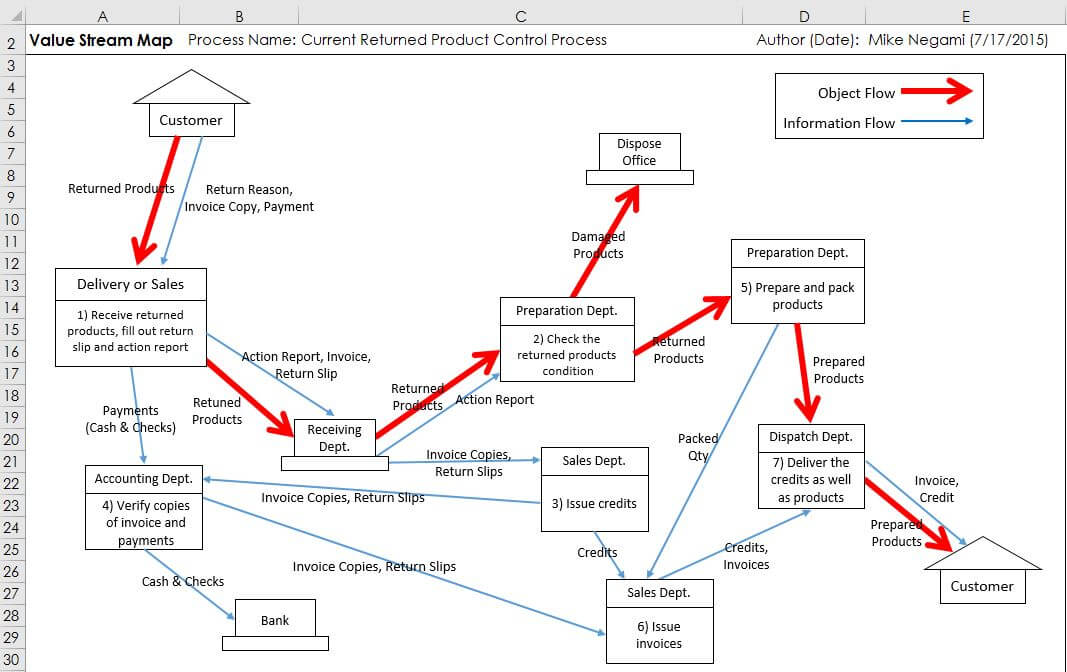
Org charts often do not tell you anything about what an organisation does or how it's accomplished or who talks to who. The flow diagram does a much better job of actually... being meaningful?
Of course, the flow diagram will vary depending on which of the organisation's purposes one chooses to focus on... but so will the shape of the organisation that implements that purpose. The org chart just hides that, along with every other useful detail for actually understanding what's going on.
https://www.worldcat.org/title/control-revolution-technologi...
https://archive.org/details/controlrevolutio0000unse
https://libgen.rs/book/index.php?md5=01E624258AF1B44F6649B02...
Does anyone have a suggestion for software for managing an org chart? If web-based, a requirement would be to be self-hosted.
I'm currently using data in simple text files, custom scripts generating graphviz input, and dot(1) output.
Which then went to railroads and other corporations...
Specifically org charts and things like that.
...ah I might be wrong about the org charts. Maybe. I do now remember the actuarial biz started down on some port street -- dealing with insurance and risk of transporting slaves.
Yeah, think the org charts were slavery too, but in the US.
Because now you have to have an archipelago of independent cities that don't even want to talk to other cities or expand or anything.
Yes? The whole idea was to think about what sort of world you would need for local solar time to you have persisted.
But then we quickly realize that it wasn't rail per se that caused us to develop synchronized time, it was connectivity. So that's the thing you have to cut out. And that's a much bigger ask, because rail isn't the only way to connect things.
At some point you've redefined so much that the exercise is just kind of pointless navel gazing. I don't mind exploring "what ifs", but when it stops being "what if" and starts becoming pure fantasy, it had better come with a compelling narrative.
Because that's the answer to your apparently implied question: What would a world that never had to synchronize time look like? It would look completely alien.