Virgin Galactic Executive Summary of Submission on SpaceShipTwo Accident(parabolicarc.com) |
Virgin Galactic Executive Summary of Submission on SpaceShipTwo Accident(parabolicarc.com) |
> There was corporate conversational knowledge that unlocking the feather system during the transonic region would be catastrophic, but this knowledge wasn't formalized into the pilot handbook or in training. There was formal knowledge that unlocking late would lead to a flight abort, and a recent event had occurred where the unlock was late. Add to this copilot workload increases between flights, the fact that training wasn't done in the suits and equipment worn on the real flight or under the g and vibration loads in the flight, and the result was the copilot unlocked the feather early leading to the loss of the vehicle. As usual, not a single failure, but a chain of smaller failures - lack of formalization of knowledge, lack of training in the operational environment, recent events, pressure to avoid an abort, and you get an overcompensation.
http://99percentinvisible.org/episode/children-of-the-magenta-automation-paradox-pt-1/
http://99percentinvisible.org/episode/johnnycab-automation-paradox-pt-2/What's your stance on autopilot driven cars and trucks?
Arguably, roadway accidents far, far outnumber the number per-capita of space accidents.
> "On normal rocket-powered flights, checklist procedures called for this step to occur after rocket motor burn out while in space just prior to apogee."
I still haven't seen any information on exactly why this particular flight test card called for actuating the feather mechanism at some time other than apogee. Were they trying to test the flying qualities while feathered at a particular dynamic pressure? It doesn't make any sense for the copilot to move the unlock lever while the aircraft was still accelerating unless the test card called for it. And if it did, then did the engineers and test planners fail to take this possible failure mode into account before the flight?
So, the 62 mile high space tourist plane will turn into an one orbit trip in a few years. Then to the moon in 25.
The sooner we can switch to them, the better...
> Arguably, roadway accidents far, far outnumber the number per-capita of space accidents.
... for this reason.
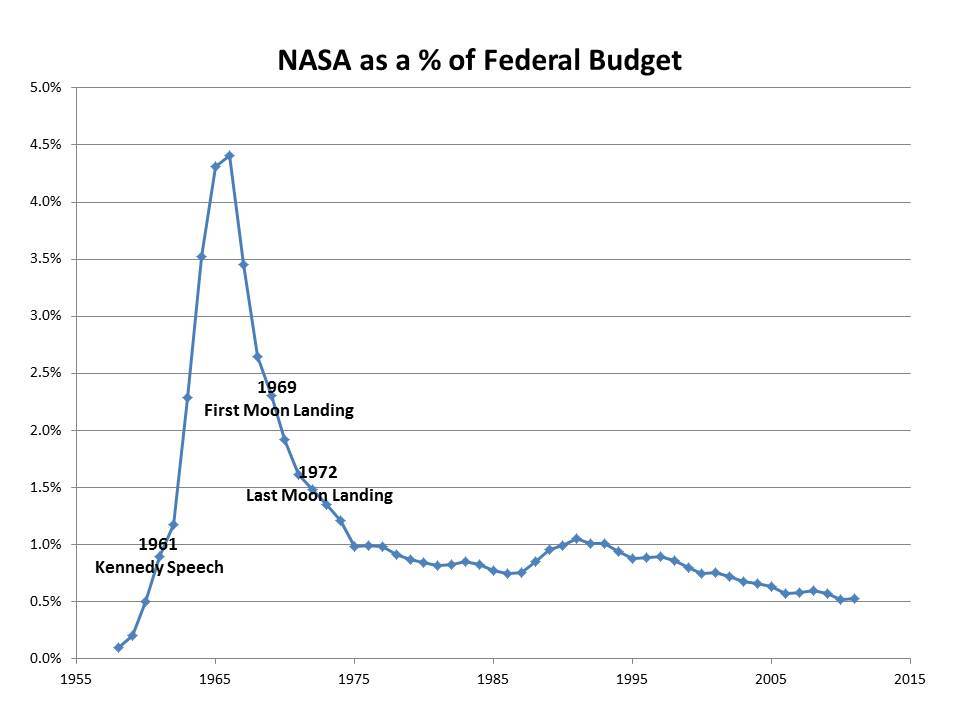
http://images.huffingtonpost.com/2012-04-30-Presentation1-th...
The money dried up fast. Now it's up to private enterprise.
[1]http://www.theguardian.com/science/2014/nov/05/virgin-galact...
I hope you have a great (and safe) ride!
Of course, today there's automation, but it only goes so far
Somebody has to take the first step
This isn't to disparage autopilots, but to assure control. The human should always be in control of the system, and capable of deciding when things happen.
If the pilot thinks the button needs pushing, they're not going to wait til after the crash to see if the autopilot is working.